Value
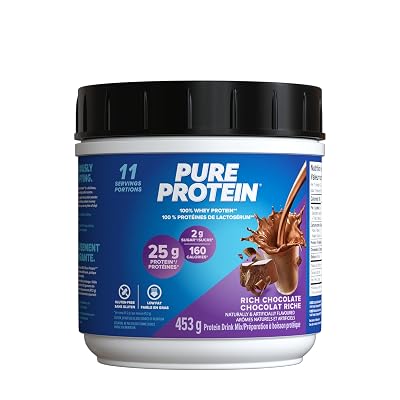
Pure Protein
Whey Protein Powder
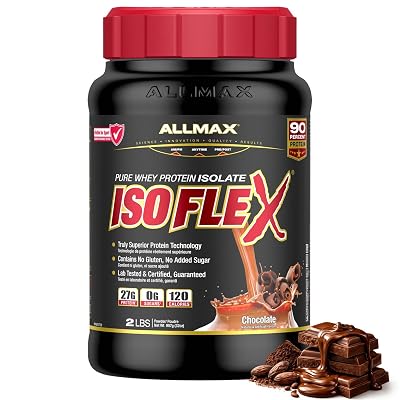
25g of whey protein per scoop with just 2g sugar and low fat. Comfortably the cheapest quality whey in this guide per serving.
price checked 23 Aug 2026
$22.99 / tub
Amazon Answer 5 quick questions and we'll match you with the exact supplements your body needs — backed by peer-reviewed science, every pick purchasable on Amazon.ca.
No guesswork. Just 5 quick questions and a science-backed recommendation built for your body and goals.
Six evidence-based buying guides. Every product is a real, third-party-tested pick you can buy on Amazon.ca today.
Protein quality comes down to leucine content, digestibility (DIAAS) and third-party testing. We ranked the five best-value powders on Amazon.ca against those criteria.
Read GuideAbout 40% of Canadians fall below adequate vitamin D levels in winter. Here are the five evidence-backed daily essentials — and the exact USP/IFOS-verified products to buy.
Read GuideCaffeine, citrulline and beta-alanine have the strongest evidence for training performance. We found the five formulas that actually dose them properly.
Read GuideRecovery is where consistency pays off. From the most-researched supplement in existence (creatine) to magnesium for sleep — the five picks worth your money.
Read GuideGoing plant-based creates four specific, measurable gaps — and creatine is the one almost nobody expects. Vegetarians carry 20–30% lower muscle creatine, which makes them the biggest responders to supplementing it.
Read GuideSweat sodium varies roughly tenfold between athletes, so generic advice fails most people. And cutting carbs triggers real sodium loss through the kidneys — which is what "keto flu" mostly is.
Read Guide












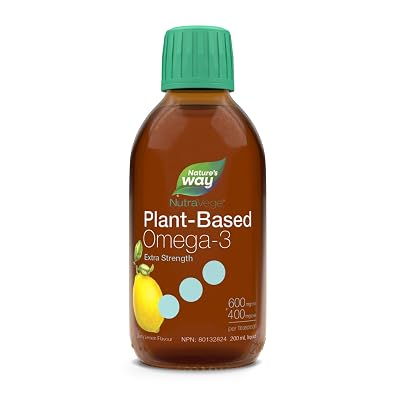


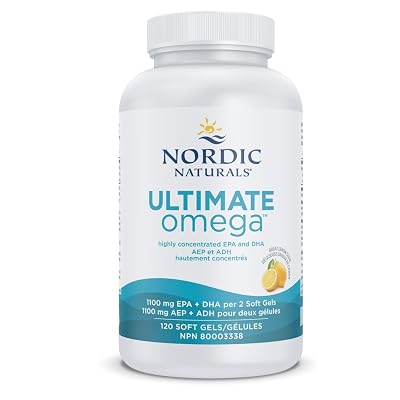
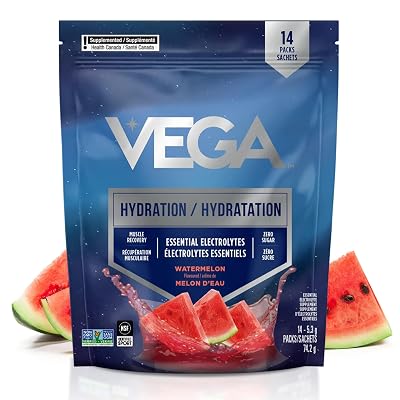
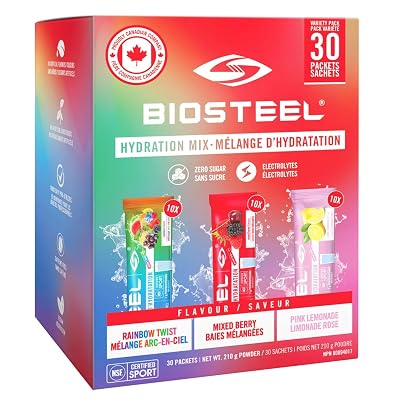


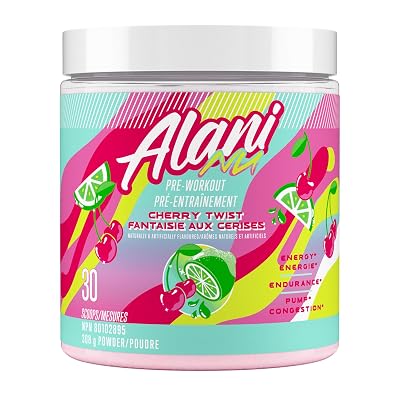

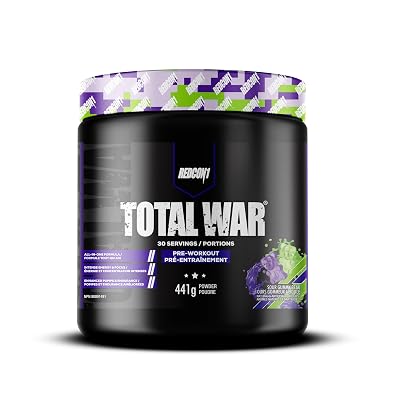


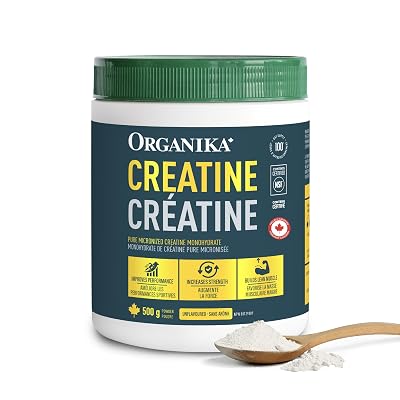


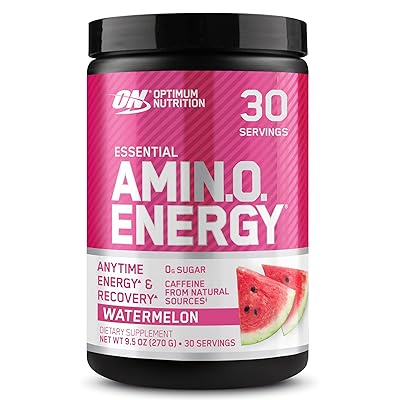


Affiliate & pricing disclosure: Buy buttons link directly to each product's listing on Amazon.ca. As an Amazon Associate, Protein Bros may earn from qualifying purchases — this never affects our rankings. Prices shown were last verified on 23 August 2026, are set by Amazon sellers and change frequently; confirm the live price on Amazon before buying.
Every product we recommend has been independently tested for purity, potency, and label accuracy. What the label says is what you get.
Our quiz eliminates overwhelm. No generic lists — a curated stack built for your specific goals, diet, and lifestyle.
Built by Torontonians who understand our climate and our grind. Recommendations that actually account for Canadian winters.
We link every pick straight to Amazon.ca so you get fast Prime shipping and can compare live prices before you commit.
Every recommendation comes with a clear explanation of why it was chosen. We teach you, not just sell to you.
18,000+ Toronto fitness enthusiasts share honest reviews. Real results from real people in your city.
We started Protein Bros in 2019 out of a GoodLife locker room argument over which protein powder was actually worth buying. Six years later, we've reviewed over 2,400 products so you don't have to waste money on expensive chalk.
We're Torontonians — we get that your supplement needs in January are different than in July. We cut through the marketing noise with honest, science-backed recommendations, and we link every pick straight to Amazon.ca so buying is simple.
No hedging, no supplement-industry spin — just what the evidence supports.
Safety comes down to two things: an independent lab has verified what's in the tub, and the product carries a Health Canada NPN (Natural Product Number). Look for NSF Certified for Sport, Informed Choice or Informed Sport on the label — those programs screen for heavy metals and banned substances batch by batch. A brand that publishes its certificates of analysis is telling you something a marketing claim can't.
There isn't one, and any site that gives you a single answer is guessing on your behalf. The best powder depends on whether you're lactose-intolerant (isolate or plant), chasing the lowest cost per kilogram (concentrate), or need certification for drug-tested sport. What doesn't change: roughly 20–25g of protein per serving with about 2–3g of leucine is the threshold that matters for muscle protein synthesis.
Most don't — they say food first. The objection is that powder is an expensive way to buy protein you could get from chicken, eggs, dairy, legumes or tofu, and that it's easy to overspend on marketing. Powder earns its place when convenience is the deciding factor: post-training, a skipped meal, or a plant-based diet where hitting your daily target from food alone takes real effort.
For most people training regularly, the research converges on roughly 1.6g per kilogram of bodyweight per day — around 130g for an 80kg person. Going meaningfully above that shows diminishing returns in the literature. Spreading it across three or four meals beats loading it all into one.
Brand matters less than form. Creatine monohydrate is the most-studied supplement in sports nutrition and everything else — HCl, buffered, liquid — is more expensive without better evidence. Buy monohydrate, ideally Creapure-sourced or third-party tested, and pay attention to cost per kilogram rather than the label on the tub. 3–5g daily, timing largely irrelevant.
That's water, not fat. Creatine pulls fluid into muscle cells, and 1–2kg on the scale in the first week or two is the normal, expected response — especially if you did a loading phase. It's intracellular, so it doesn't make you look softer. If it bothers you, skip loading and take 3–5g daily; you reach the same saturation in about a month.
Join 18,000+ Torontonians getting our new Top 5 breakdowns, price-drop alerts on Amazon.ca, and myth-busting research summaries — every Thursday.
Demo build: the Google button and email form validate and confirm on-page. To go live, connect a Google OAuth Client ID and an email backend (e.g. Mailchimp/Supabase). Learn how we handle data.